The Characteristics of Superior Scandinavian Design
In the furniture industry, the words “Scandinavian design” often feel synonymous with “IKEA.” Not that there’s anything wrong with the Swedish home décor giant, but there’s a much bigger world out there when it comes to Scandinavian furniture — and it doesn’t completely revolve around Billy bookcases and Läck tables. The heart of Scandinavia’s furniture and décor style is simplicity and beauty, characterized by aspects such as clean lines and few adornments. Instead of overwhelming a room with too many accents and decorations, the Scandinavian design philosophy is all about keeping things simple yet functional — with or without a ubiquitous IKEA coffee table.
History of Scandinavian Design
The Scandinavian design style is quite popular in North America, but it actually hasn’t been around for all that long. The Washington Post details the origins of what we recognize as Scandinavian design, explaining that it emerged around the 1950s and “prioritized function and affordability over preciousness and luxury.”The clean, elegant lines and minimalism attributes of this style were inspired by post-war art movements in Europe — which rebelled against the elaborate, complex designs of the time by instead finding beauty, hope, and optimism in simplicity.In response to much of the social change of this era, Scandinavian design also has a huge focus on functionality and accessibility. The style aspires to appeal to the general public, and to be affordable and practical for all citizens — without sacrificing beauty.During the 1950s, a traveling design show titled “Design in Scandinavia” passed through the U.S. and Canada, showcasing the work of Nordic designers in this new stylistic initiative, and giving birth to the name Scandinavian design.
Scandinavian Climate Influences Style
Much of the style is a reflection of the weather in the Nordic region (which includes countries such as Finland, Iceland, and Denmark as well as Sweden). The region’s long winters require its denizens to spend much of their time indoors — which is why there’s a focus on lots of well-lit spaces with a practical setup.The climate also has a bearing on the color palette of Scandinavian home décor. The style favors bright hues like white or beige, with small bursts of color (often muted or pastel shades). It all comes down to making homes feel pleasant and welcoming during the long dark winters of Norway or Denmark.Going hand in hand with the color schematics is the Scandinavian focus on multiple lighting sources. Aside from different types of lamps (nothing so fancy as a chandelier), this design style often incorporates high-quality candles to light up a room, and to serve as subtle accessories. There’s an inclination towards mirrors (nothing too ornamental) to both brighten up a room and make it seem larger. This all ties back into the design philosophy of having décor that’s minimal, beautiful, and — above all — practical.
What Makes Scandinavian Design Unique
Aside from being so steeped in its countries of origin, Scandinavian design is unique in that it has four strong tenets that inspire it: functionality, durability, reliability, and simplicity. The design and décor come from minimalist ideals, in which everything is meant to serve a purpose, and to not stand out or look cluttered in any way. The idea is that if you’ve got pieces taking up space that don’t have any function in your daily life, toss them — showy ornamentation is not the Scandinavian way.As a design choice, Scandinavian style finds widespread popularity because it can be taken either high-end or more basic, without losing any of those four tenets. While magazines often make Scandinavian design look “impossibly neat and expensive,” the aesthetic can be easily modified to suit any budget. It’s difficult to find décor that makes your home look organized and stylish, while actually costing very little; Scandinavian design expertly achieves this appearance. (However, if you do have the money to go high-end, it’s on trend to invest in quality wood pieces and even some metallics.)Another distinctive piece of the Scandinavian design style is its focus on socializing. Born out of its origins, Scandinavian décor places a focus on get-togethers (especially during those colder, lonelier months), with large dining spaces that can accommodate many people. It’s important to have a good-sized dining table to seat multiple guests, and to invest in some of the popular thin-legged Swedish chairs (just don’t go overboard). Having more open space means that guests don’t feel crammed in; comfort and openness are vital to the Scandinavian design aesthetic.
Practical Quality
When it comes to home decor, Scandinavian design may be best known for being cost-effective and simple, but it can also come in high-end and classic forms – all without losing its sense of functionality and practicality. If you’re already a fan of minimalistic, clean home décor with brightness and muted colors, you may want to consider taking a page from the full Scandinavian playbook – and not just the kind that you can find at big-box stores. What’s your favorite part of the Scandinavian design aesthetic? Tell us in the comments.

 In the furniture industry, the words “Scandinavian design” often feel synonymous with “IKEA.” Not that there’s anything wrong with the Swedish home décor giant, but there’s a much bigger world out there when it comes to Scandinavian furniture — and it doesn’t completely revolve around Billy bookcases and Läck tables.
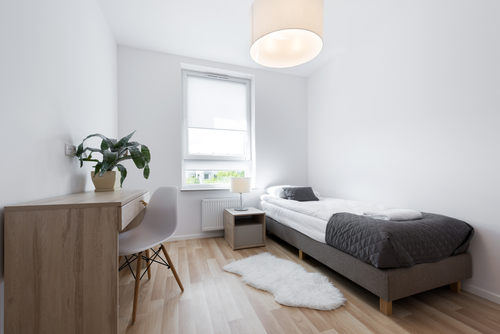
The heart of Scandinavia’s furniture and décor style is simplicity and beauty, characterized by aspects such as clean lines and few adornments. Instead of overwhelming a room with too many accents and decorations, the Scandinavian design philosophy is all about keeping things simple yet functional — with or without a ubiquitous IKEA coffee table.
In the furniture industry, the words “Scandinavian design” often feel synonymous with “IKEA.” Not that there’s anything wrong with the Swedish home décor giant, but there’s a much bigger world out there when it comes to Scandinavian furniture — and it doesn’t completely revolve around Billy bookcases and Läck tables.
The heart of Scandinavia’s furniture and décor style is simplicity and beauty, characterized by aspects such as clean lines and few adornments. Instead of overwhelming a room with too many accents and decorations, the Scandinavian design philosophy is all about keeping things simple yet functional — with or without a ubiquitous IKEA coffee table.