

In part one, we discussed the science, causes, and effects of stress. The good news is that there are all kinds of healthy ways to manage and even eliminate chronic stress, and it all starts with your lifestyle.
 When you’re feeling that stressed-out feeling inside, it actually causes you to tense your muscles, which causes you to feel headaches and a sore neck, shoulders, and back. All that tension makes it even harder to manage what’s stressing you out in the first place.
Try to catch yourself tensing up and relax your muscles, especially your neck, shoulders, and back. Roll your neck from side to side, being careful not to crunch your vertebrae. Roll your shoulders forward and backward. Keep shoulders down and back, elongating your neck.
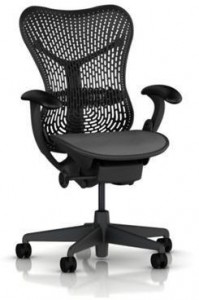
Ergonomics make a big difference in the tension your body feels too—particularly at work. Ensure that your work station is set up to reduce stress on your body and mind, and that your chair provides the comfort and support you need to carry you through 8 or more hours each day at the office. Ergonomic office chairs, such as the Herman Miller one pictured, are built to conform to your body, reduce tension, and generally make your workflow easier.
When you’re feeling that stressed-out feeling inside, it actually causes you to tense your muscles, which causes you to feel headaches and a sore neck, shoulders, and back. All that tension makes it even harder to manage what’s stressing you out in the first place.
Try to catch yourself tensing up and relax your muscles, especially your neck, shoulders, and back. Roll your neck from side to side, being careful not to crunch your vertebrae. Roll your shoulders forward and backward. Keep shoulders down and back, elongating your neck.
Ergonomics make a big difference in the tension your body feels too—particularly at work. Ensure that your work station is set up to reduce stress on your body and mind, and that your chair provides the comfort and support you need to carry you through 8 or more hours each day at the office. Ergonomic office chairs, such as the Herman Miller one pictured, are built to conform to your body, reduce tension, and generally make your workflow easier.
1. Healthy Diet
If you’re not already paying attention to your diet or your eating habits, now is a good time to start. Avoid skipping meals, especially breakfast. Skipping meals puts your blood sugar at a precarious position, which only makes you grumpy, promotes unhealthy eating, and exacerbates your stress. Keep your tummy filled with some of these healthy, stress-fighting foods:- Avocados: Avocados are packed with lutein, beta-carotene, B vitamins, vitamin E, folate, potassium, and glutathione, a compound that blocks the absorption of fats that cause oxidative damage.
- Oranges: Oranges are rich in vitamin C, which has been shown to boost your immune system while keeping stress levels down. If you suspect that your day will be filled with stress, eat an orange beforehand to give your blood pressure and cortisol levels a chance to return to normal faster.
- Spinach: Magnesium deficiencies can trigger fatigue and headaches, both of which contribute to stress. Fortunately, one cup of spinach has all the magnesium you need
 for the day.
 - Fatty fish: Tuna, salmon, and other fatty fish contain omega-3 fatty acids. Omega-3s are known to protect against heart disease and can help curb mood disorders and surges in stress. Try to eat 3 ounces of fatty fish twice a week.
- Dark chocolate: Okay, it’s all right to indulge in a little sweet stuff when you’re stressed. Dark chocolate is filled with antioxidants, particularly flavonols and polyphenols, and is known to lower your blood pressure. It’s calming and is directly linked to your mood. Just make sure you enjoy it in moderation—the darker the better.
2. Hydration
Along with the foods you eat, make sure you drink your water. Being even the slightest bit dehydrated can increase your cortisol levels, but stress can also cause dehydration thanks to the increased heart rate and breathing. Keep a bottle of water on you at all times and take a sip every so often. Remember that, if you’re thirsty, you’re already dehydrated.3. Exercise
Exercise is one of the best stress relievers and directly fights back against it. Physical activity promotes the production of various hormones, including norepinephrine and endorphins, that improve your cognitive abilities, learning, memory, mood, and energy levels almost instantly. Exercise also forces all of your body’s physiological systems to actually communicate. Your heart has to talk to your muscles and lungs, all of which have to communicate with your central and sympathetic nervous system. These are all coincidentally involved in and damaged by the stress response, so the better your body can communicate with itself, the better it can respond to stress. The best part is that you can get some exercise pretty much wherever you are. Mix things up so that you don’t get bored or too used to any one type of exercise. Try a combination of aerobic, strength, and interval exercises throughout your week. Set goals, whether it’s hitting a certain weight or running a mile in a certain amount of time. Above all, make sure you start slow. You won’t go from sedentary to running a marathon overnight, and you don’t want to end up injuring yourself and becoming sedentary again.4. Comfort
 When you’re feeling that stressed-out feeling inside, it actually causes you to tense your muscles, which causes you to feel headaches and a sore neck, shoulders, and back. All that tension makes it even harder to manage what’s stressing you out in the first place.
Try to catch yourself tensing up and relax your muscles, especially your neck, shoulders, and back. Roll your neck from side to side, being careful not to crunch your vertebrae. Roll your shoulders forward and backward. Keep shoulders down and back, elongating your neck.
Ergonomics make a big difference in the tension your body feels too—particularly at work. Ensure that your work station is set up to reduce stress on your body and mind, and that your chair provides the comfort and support you need to carry you through 8 or more hours each day at the office. Ergonomic office chairs, such as the Herman Miller one pictured, are built to conform to your body, reduce tension, and generally make your workflow easier.
When you’re feeling that stressed-out feeling inside, it actually causes you to tense your muscles, which causes you to feel headaches and a sore neck, shoulders, and back. All that tension makes it even harder to manage what’s stressing you out in the first place.
Try to catch yourself tensing up and relax your muscles, especially your neck, shoulders, and back. Roll your neck from side to side, being careful not to crunch your vertebrae. Roll your shoulders forward and backward. Keep shoulders down and back, elongating your neck.
Ergonomics make a big difference in the tension your body feels too—particularly at work. Ensure that your work station is set up to reduce stress on your body and mind, and that your chair provides the comfort and support you need to carry you through 8 or more hours each day at the office. Ergonomic office chairs, such as the Herman Miller one pictured, are built to conform to your body, reduce tension, and generally make your workflow easier.
5. Time Management
Overwork is one of the biggest stressors. To prevent or better control overwork, learn to manage your time and your tasks.- Prioritize: At the start of every day, make a list of everything you have to do. Then prioritize by order of importance. If you have an exceptionally unpleasant task, get it over with as soon as you can. From there, make a weekly to-do list.
- Balance your schedule: Create a schedule that balances work and play. Too much work will only burn you out and make your stress even worse.
- Break up large projects: Turn large projects into smaller, step-by-step tasks. It’s easier to manage each single step instead of taking on everything at once.
- Delegate: If other people can take care of the task, don’t feel bad about delegating tasks. You don’t need to control or oversee every single step.
- Learn to say no: Realize that you don’t need to say yes to everything, especially if your schedule is already packed. There’s nothing good about over-committing yourself.
6. Relaxation Techniques
Relaxation techniques are helpful when dealing with persisting, chronic stress and when dealing with those overwhelming in-the-moment anxieties.- Breathing meditation fills your body with oxygen to relieve tension and anxiety.
- Sit somewhere comfortable with your back straight.
- Breathe in through your nose. You should breathe from your abdomen, not your chest. In other words, your stomach should be inflating and deflating. To test it out, place one hand on your stomach and one on your chest. The hand on your stomach should rise while the one on your chest should remain relatively unmoved.
- Exhale through your mouth, contracting your stomach as much as possible to push out as much air as possible.
- Continue breathing in through your nose and out your mouth. Count slowly as you inhale and exhale.
- Muscle relaxation, as the name implies, allows you to release much of the tension built up in your body.
- Sit or lie down somewhere comfortable. Relax. Inhale and exhale slowly and deeply.
- When you’re ready, focus on your right foot, its placement, how it feels.
- Slowly add tension, flexing the muscles and squeezing your right foot as tightly as you can. Hold for 10 seconds.
- Relax your foot, focusing on how it feels as it becomes loose.
- Relax again before moving on to the next foot and doing the same. Slowly work your way up all the muscles of your body, trying not to tense any muscles other than those you want.
- Visualization meditation allows you to practice all of your senses to relax and feel
 at peace.
- Find somewhere quiet. You may want to sit or stay standing as beginners tend to fall asleep during this meditation.
- Close your eyes and imagine your restful place. This is the setting that is most calming to you, whether it’s a favorite childhood spot, the top of a mountain, or a dense forest.
- As you let your worries drift away, explore your restful place, using as many of your senses as possible. For example, if you are thinking about a forest glen, feel the sun shining on your skin through the leaves, listen to the sparrows chirping, smell the honeysuckles and sap in the air, wiggle your toes in the dirt.
- Enjoy the feeling and exploration. When you’re ready, open your eyes and return to the now.
ConcludingThoughts
Stress is ubiquitous and, at times, overwhelming. As natural as it is, stress doesn’t have to be something that takes over your life. Take control of your stress and you’ll lead a much more productive and fun life. If you feel constantly flooded with stress and can’t find any way to keep your head above it, consult a professional. There’s no harm in seeking help. References:- http://www.statisticbrain.com/stress-statistics/
- http://usatoday30.usatoday.com/news/health/story/2012-06-13/stress-increase-over-time/55587296/1
- http://www.today.com/health/high-anxiety-it-could-give-you-stroke-study-finds-2D11775209
- http://www.telegraph.co.uk/health/healthnews/5070874/Reading-can-help-reduce-stress.html