One of the first things you learn when you’re little is not to touch anything hot. Whether 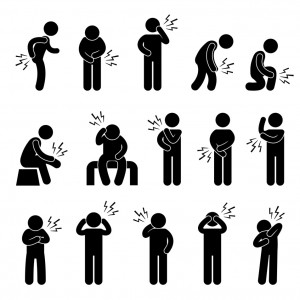 you put your hand too close to the frying pan or leaned on a car baking in the summer sun, you learned that too much heat equals pain. Even beyond early lessons, you experience pain throughout your life, from stubbing your toe to accidentally cutting your hand while slicing some bread.
We can all agree that pain is unpleasant and unwanted, and it tends to be the main reason that most people seek medical help. According to the National Institute of Health Pain Consortium, the public burden of pain affects about a third of the U.S. population at an annual cost of $560-635 million.
But why does pain exist? Why do we feel pain? Read on as we try to unravel pain in its many forms and discover some easy ways to keep it at bay.
you put your hand too close to the frying pan or leaned on a car baking in the summer sun, you learned that too much heat equals pain. Even beyond early lessons, you experience pain throughout your life, from stubbing your toe to accidentally cutting your hand while slicing some bread.
We can all agree that pain is unpleasant and unwanted, and it tends to be the main reason that most people seek medical help. According to the National Institute of Health Pain Consortium, the public burden of pain affects about a third of the U.S. population at an annual cost of $560-635 million.
But why does pain exist? Why do we feel pain? Read on as we try to unravel pain in its many forms and discover some easy ways to keep it at bay.
 ?
?
 you put your hand too close to the frying pan or leaned on a car baking in the summer sun, you learned that too much heat equals pain. Even beyond early lessons, you experience pain throughout your life, from stubbing your toe to accidentally cutting your hand while slicing some bread.
We can all agree that pain is unpleasant and unwanted, and it tends to be the main reason that most people seek medical help. According to the National Institute of Health Pain Consortium, the public burden of pain affects about a third of the U.S. population at an annual cost of $560-635 million.
But why does pain exist? Why do we feel pain? Read on as we try to unravel pain in its many forms and discover some easy ways to keep it at bay.
you put your hand too close to the frying pan or leaned on a car baking in the summer sun, you learned that too much heat equals pain. Even beyond early lessons, you experience pain throughout your life, from stubbing your toe to accidentally cutting your hand while slicing some bread.
We can all agree that pain is unpleasant and unwanted, and it tends to be the main reason that most people seek medical help. According to the National Institute of Health Pain Consortium, the public burden of pain affects about a third of the U.S. population at an annual cost of $560-635 million.
But why does pain exist? Why do we feel pain? Read on as we try to unravel pain in its many forms and discover some easy ways to keep it at bay.
Defining Pain
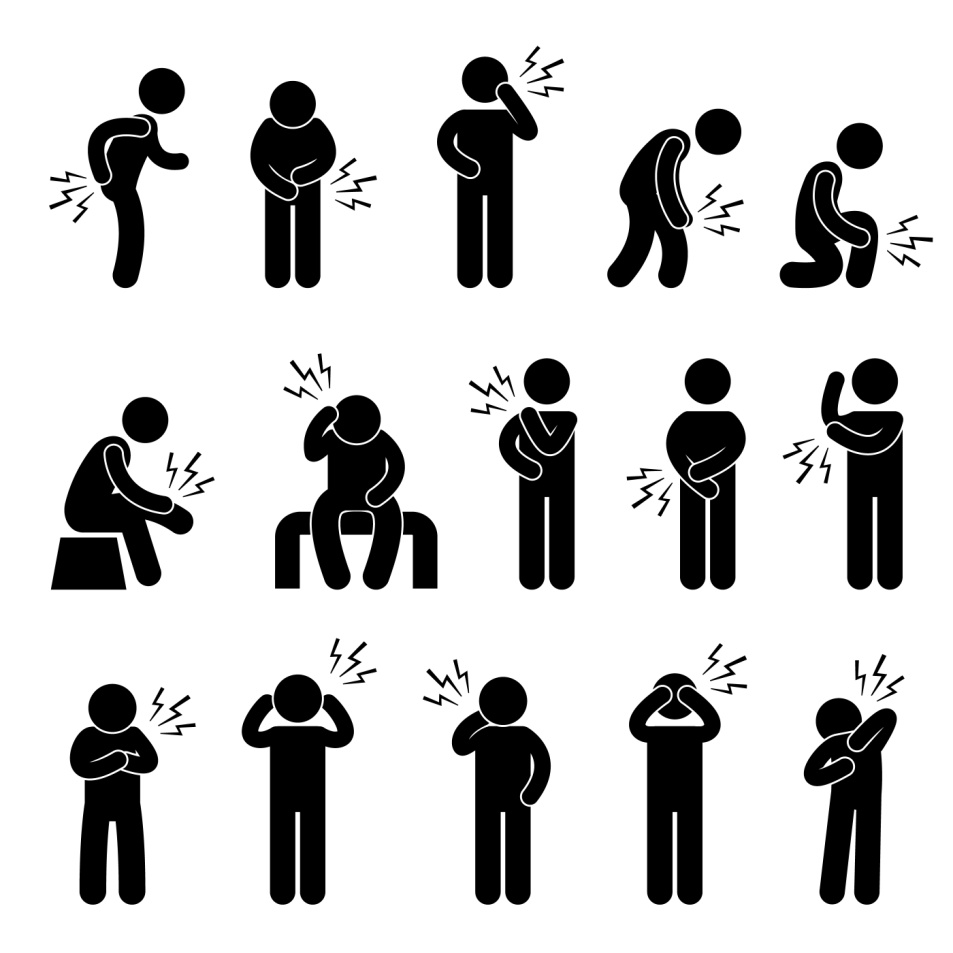
Describing pain often involves other injury-related terms, like “burning” or “stabbing,” and various emotions invoke pain, from feeling heartbroken to laughing so hard that it hurts. The word “pain” actually has roots in ancient languages, most likely from the Greek word “poine” or the Latin word “poena,” both of which refer to punishment or penalty. The International Association for the Study of Pain defines pain as “an unpleasant sensory and emotional experience associated with actual or potential tissue damage, or described in terms of such damage.” That’s a pretty vague definition, and with good reason. Pain is a highly subjective sensation that differs from person to person. Unlike body temperature and blood pressure, pain isn’t something that’s easily measured. It has also been argued that people feel pain differently. The best way to identify pain is as a defense mechanism. Pain is a physical stimulus that alerts your body and brain that something is wrong, warning you to protect yourself to prevent further harm. The pain response saves lives and is a necessary genetic trait because of that.Types of Pain
Pain is classified into several different types based on the longevity, source, and mechanisms involved with the pain. On a broader level, pain is separated into acute pain and chronic pain. Acute pain refers to any pain that is intense but short-lived. It’s usually related to a tissue-level disease or injury. Acute pain usually resolves when the disease or injury has healed. Chronic pain is usually caused by persistent tissue damage, like arthritis, but many times, chronic pain doesn’t have a cause and is considered a disease in itself. Beyond these two forms of pain are more specific forms, including:- Nociceptive pain involves the stimulation of specific pain receptors that sense temperature, vibration, and chemicals released by damaged cells. This usually means injuries to body tissue, like cuts, burns, or broken bones.
- Non-nociceptive pain refers to any pain that comes directly from the central or peripheral nervous system with no input from specific pain receptors.
- Empathetic pain occurs in people who are hyper-empathetic and involves mirror neurons, cells that actually cause you to feel what you’re observing. Even if you’re not hyper-empathetic, you may still feel a small fraction of pain or discomfort when you observe someone else get hurt. For instance, if you watch someone take a significant hit on the football field or break a bone on a skateboard, you’ll probably wince and “feel” similar pain for a brief moment.
Pain Perception
In order for the pain response to actually be useful, it needs to alert your brain when you prick your finger on something sharp, so what happens after that initial stimulus?
- Say you pricked your finger with a thumbtack. The resulting tissue damage activates the pain receptors, known as nociceptors, in your skin. The nociceptors send electrical signals to a series of nerve fibers.
- A peripheral nerve, consisting of a bundle of nerve fibers, receives the electrical signals from the pain receptors. The peripheral nerve sends the signal from your pricked finger up your arm to the spinal cord, located in your neck.
- The electrical signals reach an area in your spinal cord called the dorsal horn, which actsas a junction box to transmit the electrical signals via neurotransmitters to different neurons and eventually up to the brain.In the brain, the electrical signals have to pass through the thalamus. The thalamus sorts out the signals and disseminates the electrical information to various parts of the brain, like the frontal cortex (responsible for cognitive thought), the limbic system (responsible for emotions), and the somatosensory cortex (responsible for touch and physical sensations). Using this information, your brain causes you to say “ow!” and feel the cut in your finger.
A-Delta and C Fibers
However, nociceptors are divided into A-delta fibers and C fibers. C fibers aren’t myelinated, so they conduct signals slower to cause a dull, delayed ache. A-delta fibers respond to heat and mechanical stimuli, and unlike C fibers, they conduct signals rapidly, causing an immediate, involuntary response before you’re even aware of your injury.Chronic Pain: A Painful Feedback Loop?
New research also shows that the pain response may not be as straightforward as we think. Glial cells, which occupy the empty space between neurons in the brain and peripheral nervous system, were once thought to be relatively unimportant, but the neurotransmitters produced by the dorsal horn go in all directions, making contact with the glial cells. This causes a ripple effect as those glial cells are triggered to produce their own neurotransmitters that travel to other nearby glial cells. This causes a feedback loop, leading to constant pain and potentially turning an acute pain into chronic pain—essentially a disease unto itself.Modifying Pain Reception
Because pain is such a subjective experience, it is easily affected by a variety of factors, including:- Age
- Location of pain (e.g., you’re more likely to notice pain coming from your head than from somewhere else in your body)
- Mood (e.g., pain will feel more intense after arguing with your husband than after winning contest)
- Past experiences
- Your expectations
Preventing and Relieving Common Pains
Most pains go away on their own, but chronic pain can be an entirely different animal. The most common forms of prolonged pain are lower back pain, headaches, and aching joints. Let’s take a look at some ways to prevent and reduce these pains.Lower back pain
- Posture: Improved posture can work wonders to relieve lower back pain. Poor
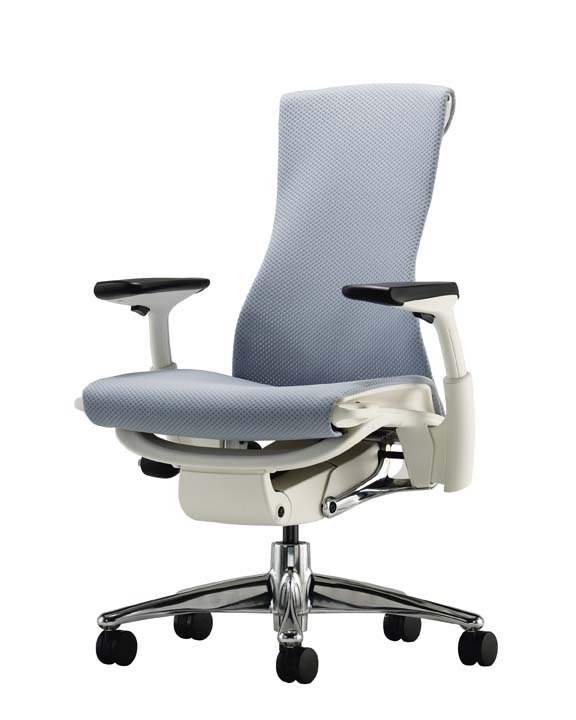
 posture adds extra strain on your back. Invest in good ergonomic furniture, like a Herman Miller office chair, to ease the pain when you’re at work. Stand or walk with your shoulders back and down and your back comfortably straight. Don’t slouch or drag your feet.
- Exercise: Exercise gets your back in a good, neutral position and supports healthy circulation, allowing for more oxygen and nutrients to your back. Just make sure not to do anything too strenuous. Consult your doctor or physical therapist for exercise suggestions.
- Ice and heat: As long as you protect the skin, ice and heat therapies can relieve pain and keep swelling down. Ice numbs the pain, while heat allows for increased blood flow and general. Use whatever you find more comforting.
- Quit smoking: Smoking doesn’t just damage your lungs. It can wreak havoc on all parts of your body, including your back. Nicotine causes blood vessels to constrict, reducing the amount of blood delivered to all soft tissues.
- Vitamin supplements: Certain vitamin supplements can keep headaches at bay, including:
Headaches/Migraines
- Vitamin B2—also known as riboflavin—which can speed up brain metabolism - Magnesium, because low levels of it have been linked to migraines - Butterbur, an herb that reduces inflammation and the frequency of attacks- Stress management: The biggest contributor to headaches—and most long-term pains—is stress. Excess stress produces all kinds of harmful chemicals in the body and causes the muscles in your neck to tense. Try some deep breathing exercises and meditation or find an active means of dealing with stress in a constructive way.
- Neck stretches: A tight, uncomfortable neck is a sure sign of an upcoming headache. Rotate your head clockwise and counterclockwise, and gently tilt your head to one side for 10 seconds.
- Rest: When it all comes down to it, rest is the best thing you can do for a headache. Find a dark, quiet room, lie down, close your eyes, and let yourself relax.
- Physical therapy: A physical therapist can use massage, manipulation, electrical nerve stimulation, ultrasound, and other treatments to relieve pain, strengthen muscles in and around the joint, and improve your range of motion.
- Weight loss: Excess weight can add pressure to your joints and put them under extra strain. Follow a healthy diet, and set up a good exercise regimen. Just make sure you perform low-impact exercises, like swimming or biking, to prevent the wear on your joints.
- Use a cane: A cane can effectively take 20 percent of your body weight off your hips, legs, and ankles.
Joint pain
Pain doesn’t feel great, but realize that it’s necessary to your very survival. Even beyond the biological, instinctual need for pain, we wouldn’t truly know or appreciate feelings of pure joy or felicity without the opposite feelings of pain. However, if you consistently feel intense, chronic pains, know that there is relief out there. Please don’t hesitate to consult a doctor if you experience regular pain. Images: Resources:- http://www.medicalnewstoday.com/articles/145750.php
- http://www.iasp-pain.org/AM/Template.cfm?Section=Pain_Defi...isplay.cfm&ContentID=1728
- http://science.howstuffworks.com/life/inside-the-mind/human-brain/pain.htm
- http://io9.com/5946522/why-do-we-experience-physical-pain
- http://www.mydr.com.au/pain/pain-and-how-you-sense-it
- http://www.livescience.com/1628-study-people-literally-feel-pain.html
- http://science.howstuffworks.com/life/inside-the-mind/human-brain/pain.htm
- http://www.ted.com/talks/elliot_krane_the_mystery_of_chronic_pain.html
- http://pain.about.com/od/whatischronicpain/a/feeling_pain.htm
- http://www.mydr.com.au/pain/pain-and-how-you-sense-it
- http://abcnews.go.com/Health/PainOverview/story?id=4034145
- http://www.webmd.com/back-pain/america-asks-13/12-back-pain-tips
- http://www.cnn.com/2012/06/11/health/stop-migraines-headaches
- http://www.webmd.com/pain-management/guide/joint-pain
- http://www.health.com/health/gallery/0,,20415762_8,00.html