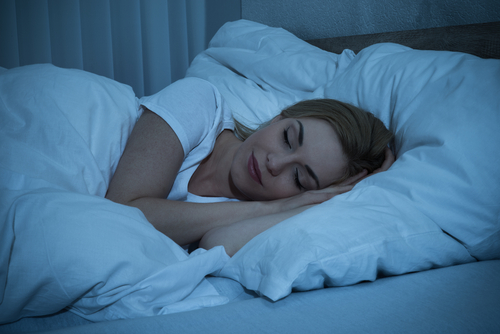
If you’ve ever tossed and turned for hours before finally settling into a deep slumber, you know how frustrating it can be when counting sheep simply doesn’t work. Although sleep is a basic physiological need, the ability to snooze peacefully throughout the night doesn’t come naturally to everyone. Stress, physical tension, and mental distractions can all take away from your ability to achieve the amount of rest needed to restore the body and mind for the next day. Here are several simple tips that can help you make the experience of falling asleep more peaceful.
1. Choose a Comfortable Mattress
It may seem obvious, but good sleep starts with a good foundation. Having the right mattress drastically affects how well you’re able to fall asleep — and stay asleep — during the night. A suitable mattress is one that relieves joint and overall pressure throughout the body.While you want your mattress to last, remember it’s not built to last forever. Mattresses more than seven years old should be reevaluated for effectiveness, as they wear over time and lose their ability to fully support and keep the body in alignment. If you’ve been sleeping on the same mattress for more than seven years, or you’ve been experiencing aches and pains most mornings, it’s time to search for a new mattress.Test out different mattresses to find the level of firmness that feels most comfortable for you. Whether allergy resistant or organic, plush or firm, mattress choice is a highly personal decision. Only you know what specifications and features best suit your needs.
2. Use the Perfect Pillow
Just as the right mattress supports and relieves pressure throughout the body, having the correct pillow is crucial for relieving pressure in your spine and neck. Products like water pillows promote better sleep by providing a customized level of comfort and keeping the spine and neck in alignment. Similar to a waterbed, you can adjust the pillow’s firmness by adding or removing water.Using the right pillow is especially critical if you suffer from arthritis, are recovering from an injury, or experience additional stress and tension in your muscles and joints. A change of pillow may be just the thing you need to drift off to dreamland peacefully and comfortably.
3. Reduce Screen Time
In an age of ever-present technology, it’s all too tempting to scroll through the latest social media updates on your smartphone before bedtime. While it may not seem like a big deal, engaging with technology right before bedtime can have a negative impact on overall sleep quality. The blue light given off by electronic gadgets can suppress melatonin, the hormone that regulates sleep cycles. Beyond that, tech gadgets can also keep your brain alert and create loud or bothersome disruptions throughout an otherwise peaceful night.Try establishing a time when you’ll put your phone, laptop, and other devices down for the night. Consider charging your phone on the other side of the bedroom, so you’re not tempted to browse through social media into the wee hours.
4. Establish a Wind Down Routine
Although it may seem like bedtime routines are only meant for small children, that’s not the case. Creating and maintaining a relaxing bedtime ritual can help you separate from the stress of daily activities and enter into a gentle rhythm that’s conducive to sleep, cutting down on anxiety and overthinking. Introduce a new bedtime routine — or revise your current routine — to include an enjoyable activity that relaxes you without engaging with a screen, such as: taking a warm bath or shower, listening to relaxing music, indulging in a cup of warm tea, reading a book, or practicing yoga or meditation before getting into bed.
5. Relieve Muscle Tension
Relaxing your muscles prior to sleep helps your body transition more naturally into a restful state. To alleviate muscle tension before hitting the hay, you can make use of at-home remedies, such as hot baths and heating packs, and products such as massage chairs.To choose the right massage chair, think about the type of massage and level of intensity you need. Many chairs offer a variety of massages for different parts of the body, such as the shoulders or feet. Massage therapy loosens sore and stiff muscles, which in turn encourages more natural sleep.There are also a number of stretches you can do, either during the day or as part of your bedtime routine, to alleviate tension in your neck, wrists, back, and other crucial areas. You may find that taking up yoga or a similar practice helps you increase your flexibility and reduce muscle tension, making it easier to relax your body into sleep.
Better Sleep is Around the Corner
By implementing a few of these simple tips and tricks, you can be well on your way to nights full of healthy, prolonged sleep. If you’re looking for ways to drift off more easily, shop The Back Store’s wide variety of mattresses, pillows, massage chairs, and other clinically-proven products that encourage healthier sleep and improved physical wellness.


 If you’ve ever tossed and turned for hours before finally settling into a deep slumber, you know how frustrating it can be when counting sheep simply doesn’t work. Although sleep is a basic physiological need, the ability to snooze peacefully throughout the night doesn’t come naturally to everyone. Stress, physical tension, and mental distractions can all take away from your ability to achieve the amount of rest needed to restore the body and mind for the next day.
Here are several simple tips that can help you make the experience of falling asleep more peaceful.
If you’ve ever tossed and turned for hours before finally settling into a deep slumber, you know how frustrating it can be when counting sheep simply doesn’t work. Although sleep is a basic physiological need, the ability to snooze peacefully throughout the night doesn’t come naturally to everyone. Stress, physical tension, and mental distractions can all take away from your ability to achieve the amount of rest needed to restore the body and mind for the next day.
Here are several simple tips that can help you make the experience of falling asleep more peaceful.