What is Biophilic Design and How Can I Incorporate it?
The Environmental Protection Agency reveals that most people spend around 90% of their lives indoors. Between home and work, it can feel increasingly hard to find time to connect with nature. That's where concepts like biophilic design come in. At its core, biophilic design is a way to design the spaces where we spend the most time in a way that incorporates nature and makes us feel close to it again.In a world that's becoming more and more industrial, biophilic design reminds us of the importance of our (literal) roots. By bringing elements of the natural world into our human-made spaces, this methodology reduces stress, improves productivity, and delivers endless inspiration. With spring just upon us, now may be just the perfect time to embrace this design philosophy in your home and work spaces.
Biophilic Design: An Overview
Edward Wilson first proposed the theory of Biophilia in 1984. He stated that human beings have an evolutionary tendency to connect with other forms of life. According to Wilson, we need to seek out a connection to everything that's alive — including nature — to feel at peace. Biophilic design takes cues from the smells, sounds, sights, and even textures of nature to put humans in a more natural environment. Large multi-national companies like Amazon and Google have already begun implementing biophilic principles into their office. They have found exceptional results when it comes to boosting productivity and performance.So, how can you join the trend?
1. Bring the Outside Indoors
Plants and greenery are an excellent addition to any home. In biophilic design, they not only clean the air that you breathe each day, but also give you a crucial connection to the organic world. Adding plants and flowers to the spaces around your home could make you feel happier and healthier, as plants deter illness and promote healing. If real plants aren't an option due to allergies, you could always use a selection of artificial flowers instead. Decorate a feature wall with vines for a "green" wall. Or try implementing earthy colors such as green, browns, oranges (check out our recent post on living coral!), and blues to mimic the landscape. The wooden accents on the Fjords Phoenix chair would make an excellent addition to a nature-themed home.
2. Enjoy the Presence of Water
Bringing water into your home is just as powerful as interacting with plants. Research shows that the presence of water in a property leads to a number of benefits, including lower heart rate, reduced blood pressure, and better memory retention. Since water is one of the most crucial aspects of the natural world and essential for life itself, don’t feel shy about incorporating this element in multiple ways around your home. Miniature fountains that you can place in your garden or living room are a good start. You might also implement water into your daily therapeutic routine with a heat therapy bath.
3. Seek Out Natural Materials
One common component of biophilic design is the use of biomimicry. Essentially, this means copying the texture and appearance of nature and applying that to everyday things. For instance, covering a brick wall in artificial vines is an example of biomimicry, as is using wooden aspects throughout your home. Furniture and accessories that mimic the colors and patterns of nature are excellent for biophilic design. For instance, the Svago Benessere Zero gravity recliner immerses users in a floating experience, using aspects of rich wood, and deep brown earthy tones. You might also consider wallpapering statement walls with patterns that mimic wood grain or creating your own murals.
4. Open Your Windows
If you don't have plenty of windows throughout your home, are there other ways you can let in outside air? Can you leave the back or side door open sometimes? It's important to let the outdoors in, however, you can. Sometimes that means merely letting natural light and air into your property to clear out the stagnant feeling within your space. Opening your windows and allowing the atmosphere to shift in your home is an excellent way to get back in touch with nature and soak up some crucial fresh air. Make sure that you strip back any curtains or blinds, so that you can take full advantage of the sun. The more vitamin D you can absorb, the happier you'll feel.
5. Embrace Natural Shapes and Forms
Finally, many of the building materials and accessories in architecture today rely on angles and straight lines. It's often more expensive to create curved shapes that are more reflective of nature. However, biophilic design shows that we have more of an affinity for those shapes and their beauty. Rather than choosing furniture with many edges, why not try something like the Himolla Palena recliner? The curved shapes and circles deliver a softer, more organic aesthetic.Remember that rugs, pillows, and cushions can also be excellent choices for softening the harder edges in your home. A little bit of creativity can help you to get the most out of your décor without a total architectural revamp. For instance, arranging a bar pendant light into a floating "V" shape gives the image of a bird in flight. Let us help you rediscover your connection with the outside world today. Come and find your inspiration at The Back Store.



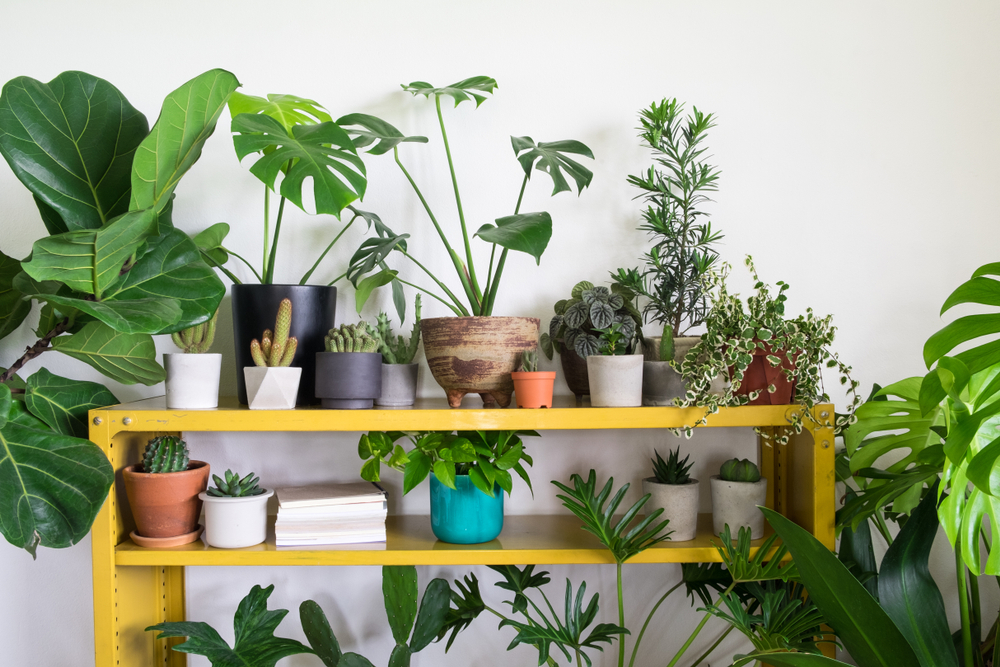 The Environmental Protection Agency reveals that most people spend around 90% of their lives indoors. Between home and work, it can feel increasingly hard to find time to connect with nature. That's where concepts like biophilic design come in. At its core, biophilic design is a way to design the spaces where we spend the most time in a way that incorporates nature and makes us feel close to it again.
In a world that's becoming more and more industrial, biophilic design reminds us of the importance of our (literal) roots. By bringing elements of the natural world into our human-made spaces, this methodology reduces stress, improves productivity, and delivers endless inspiration.
With spring just upon us, now may be just the perfect time to embrace this design philosophy in your home and work spaces.
The Environmental Protection Agency reveals that most people spend around 90% of their lives indoors. Between home and work, it can feel increasingly hard to find time to connect with nature. That's where concepts like biophilic design come in. At its core, biophilic design is a way to design the spaces where we spend the most time in a way that incorporates nature and makes us feel close to it again.
In a world that's becoming more and more industrial, biophilic design reminds us of the importance of our (literal) roots. By bringing elements of the natural world into our human-made spaces, this methodology reduces stress, improves productivity, and delivers endless inspiration.
With spring just upon us, now may be just the perfect time to embrace this design philosophy in your home and work spaces.