Employers often use incentives like raises and bonuses to motivate employees, but
studies show that money isn’t the best motivator, especially when tasks involve cognitive thinking. Instead, there are numerous other factors that can contribute to
employee productivity and quality of work. Among them include job satisfaction and purpose.
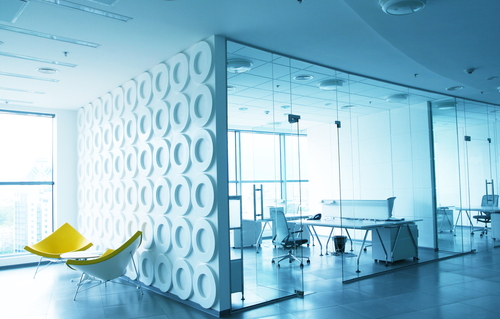
How do you promote happier and therefore more productive employees? One way is through a high-quality, sophisticated interior work space. By investing in a nice office space, you may earn more profits in the long-run. Start with these tips to design an interior that will pay off.
Consider How Visual Barriers Affect Your Goals
There is a debate on whether private offices, cubicles, or open office spaces create more productive employees, but the reality is that it’s really a matter of
aligning your office space with your needs and goals.
For example, employees who take an independent approach may find it easier to work in a private office where they can cut out distractions. Teams that need to collaborate often will likely find an open concept more productive, where they can socialize with their team and connect easier.
One
growing trend with open concept workspaces is to have a secluded “quiet area” for workers who want to eliminate distractions during certain parts of the day. Some companies even build a variety of settings so workers can choose which one works best for them.
The concept you choose should be based on how your teams collaborate and what is best for
your business.
Let the Light Shine In
One study showed that lack of lighting in the workplace is associated with depressive symptoms as well as psychological and sleep issues.
Another study found that depression impacted students’ grades by half a letter grade while treatment for depression improved academic performance.
If this effect is present in student productivity, it should come as no surprise that depression would impact individuals in the workplace as well. In fact,
studies have shown that workers who work in areas of natural daylight experience higher levels of wellbeing.
Letting in natural light can help boost mood and therefore increase productivity. Consider installing bigger windows or a sun roof to let in more light.
Mimic Nature
Along with natural lighting, people tend to be more productive when other natural elements are brought into the workplace, such as plants. The
American Psychological Association says, “Access to nature has been shown to lower stress and anger, improve cognitive functioning and mood, and even speed recovery from surgery.”
Therefore, it can help to bring natural elements into the space or even provide a courtyard where employees can relax on their break or bring their laptops to work outside.
Use Colors to Your Advantage
You probably already know that colors can impact your mood, but do you know which colors correlate with which emotions? According to
Entrepreneur.com:
- Yellow boosts productivity and creativity.
- Orange encourages enthusiasm and self-esteem.
- Red increases heart rate and boosts alertness and energy.
- Pink reduces feelings of loneliness and irritation.
- Blue helps you feel calm, creative, and focused and increases feelings of trust and loyalty.
- Green increases efficiency and decreases fatigue.
The color scheme you choose for your office depends on what your goals are. For example, you probably wouldn’t want to use red in your office, but it might work well in a gym or personal training center.
Paying attention to your employees’ moods and feelings can pay off in their productivity and your profits, and you can influence their wellbeing through a sophisticated workspace. Start with these tips if you’re considering an office remodeling project.