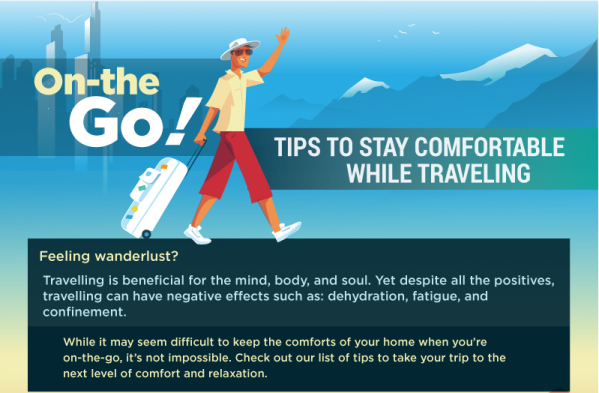
Feeling wanderlust? Travelling is beneficial for the mind, body, and soul. Yet despite all the positives, travelling can have negative effects such as: dehydration, fatigue, and confinement. While it may seem difficult to keep the comforts of your home when you’re on-the-go, it’s not impossible. Check out our list of tips to take your trip to the next level of...
The word "Ergonomics" came from two Greek terms intended to mean "work laws". Today, we define ergonomics as the study of working practices - discovering methods to ensure that jobs physically fit the people working in them. The more we adapt our workspaces according to the concept of ergonomics, the more we reduce the chances of ergonomic stressors and disorders...
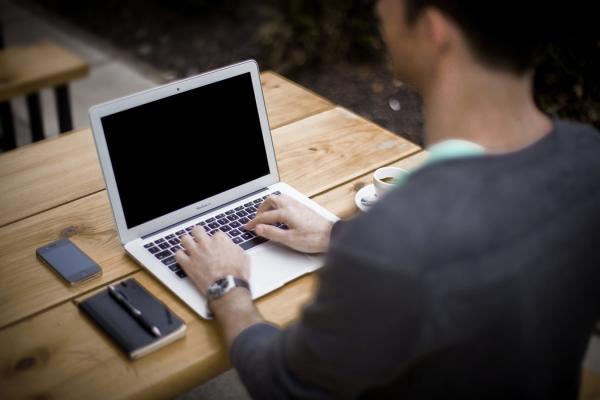
According to various sources, remote working and telecommuting may be the future of many occupations. Remote workers travel more than the average office-bound individual, and this road-based activity can have both positives and negatives. Although working away from an office can be exciting - whether you do it full-time, or get by during business trips, it's important to remember that...
A typical day consists of getting up in the morning, commuting to work, putting in a full and productive workday, commuting home, and eventually returning to the warmth of your bed. Throughout this process there are key areas in which an ergonomic lifestyle can reign supreme. From the mattress you sleep on, to the desk and chair you work in...
You’ve heard the term ergonomic before. Maybe you have an ergonomic chair in your home or office. But what exactly does ergonomic mean? Ergonomics is the science behind creating the optimal environment where people and items can interact safely and efficiently. What makes an ergonomic environment depends on the person. An ergonomic office for a tall person, for instance, would...