Have you been struggling with muscle pain or imbalances? Whether these concerns are associated with fitness training or medical issues, it’s important to possess an effective way to keep your muscles healthy. There are myriads of therapies, but depending on your situation, not all of them may have helped you in your healing process. An additional type of therapy your doctor or physiotherapist may recommend that you try is with an electronic muscle stimulation (EMS) device. But what exactly does an EMS device do, and how can it help you with your muscle management?Let’s take a closer look at EMS — from the way it works and some popular use cases, to the devices you can buy — so you can see how this type of therapy could help you enjoy a healthier, more active life.
How Does an EMS Device Work?
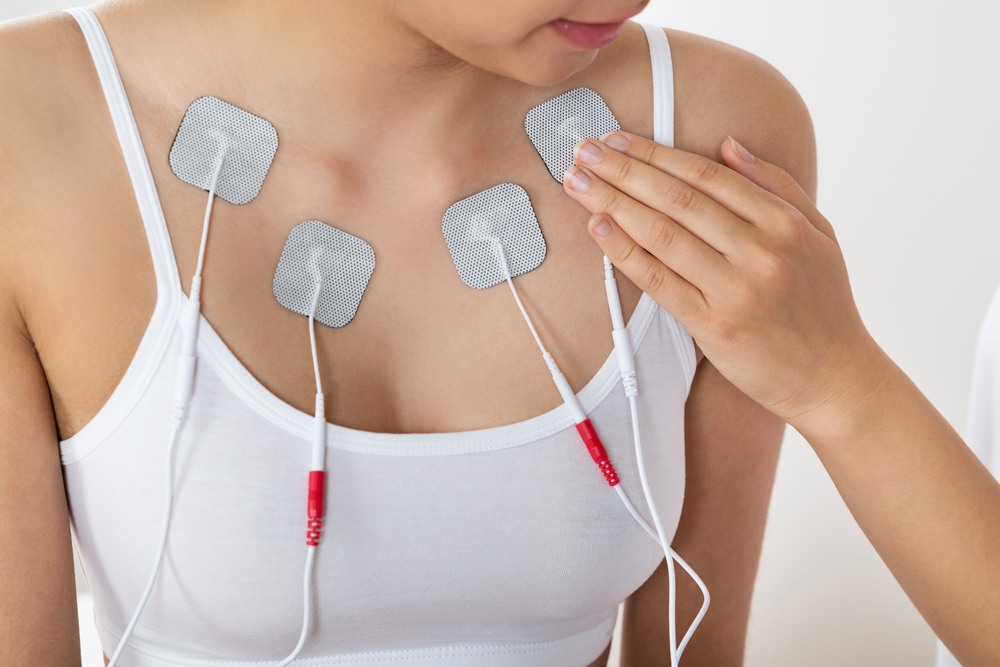
Also known as e-stim, EMS sends electrical impulses into targeted muscles to stimulate and cause contractions in the tissue — much like a massage. To use an EMS device, you place the adhesive pads containing electrodes onto the area of skin above the muscle you want to target. Cables connect these electrodes to the EMS device, which is the central control system for sending cycling impulses to the electrodes and into the muscle. The impulses stimulate the targeted muscle, causing it to contract and relax in cycles. You will be able to see the effects on your muscle while the EMS device is in use.
How Can EMS Help?
EMS has many common applications, regardless of what your daily routine or lifestyle involves. Whether you’re participating in an intense fitness regime or looking for relief from either short-term or chronic pain, an EMS device can keep you on track. Let’s look at a few of the most popular uses for EMS devices.
Pain Management
Because EMS relieves pain by stimulating the muscle tissue, it’s especially effective for sprains, strains, muscle spasms, or edema. But that’s not all: research has shown that EMS can also ease chronic pain associated with more serious conditions such as arthritis.Bear in mind that you may need to speak to a doctor before using an EMS device for your medical ailments or injuries.
Physical Therapy
Physical therapists have used EMS to strengthen muscles, promote healing, and address imbalances in patients for quite some time. If a particular muscle or muscle group on one side of your body is weaker than the corresponding muscle or muscle group on the opposite side, you might be suffering from uneven posture and movement as a result. With the proper and careful use of an EMS device, you can correct this muscular imbalance. This can help relieve the pain and undue strain that was affecting your body.
Athletic Performance
Trainers have also used EMS as part of their training programs for decades. Research across a wide range of athletes show that EMS can have a positive and measurable effect on muscular capabilities over time.By targeting particular muscles, you can improve your athletic performance and supplement your fitness activities. You can use an EMS device to warm up before your workout, or after your workout to stimulate deep muscle fibers and rejuvenate your sore muscles.
Cosmetic Applications
EMS devices can even help improve your cosmetic muscle tone outside of your fitness regime. Muscular contractions experienced with an EMS device produce a similar chemical change to voluntary muscle contraction. These chemical reactions use up the glycogen, fat, and other nutrients stored in your muscle, helping you build muscle tone and burn fat while you’re relaxing at home.
What Types of EMS Devices Are Available?
If you think EMS could bolster your muscular health, it’s time to consider your options.Consumer-grade EMS devices are designed to be easy to use and portable. The biggest factor to consider is the intensity of EMS your muscles require.
The Vital Care Body Muscle Massager offers a gentle EMS experience, which works best for mild muscle tension, aches, and pains.


 Have you been struggling with muscle pain or imbalances? Whether these concerns are associated with fitness training or medical issues, it’s important to possess an effective way to keep your muscles healthy.
There are myriads of therapies, but depending on your situation, not all of them may have helped you in your healing process. An additional type of therapy your doctor or physiotherapist may recommend that you try is with an electronic muscle stimulation (EMS) device. But what exactly does an EMS device do, and how can it help you with your muscle management?
Let’s take a closer look at EMS — from the way it works and some popular use cases, to the devices you can buy — so you can see how this type of therapy could help you enjoy a healthier, more active life.
Have you been struggling with muscle pain or imbalances? Whether these concerns are associated with fitness training or medical issues, it’s important to possess an effective way to keep your muscles healthy.
There are myriads of therapies, but depending on your situation, not all of them may have helped you in your healing process. An additional type of therapy your doctor or physiotherapist may recommend that you try is with an electronic muscle stimulation (EMS) device. But what exactly does an EMS device do, and how can it help you with your muscle management?
Let’s take a closer look at EMS — from the way it works and some popular use cases, to the devices you can buy — so you can see how this type of therapy could help you enjoy a healthier, more active life.